


AutoZone Hub Inventory Specialist
My work as an AutoZone Hub Inventory Specialist combined inventory control, receiving, distribution, shipping, route coordination, and process improvement. With the support of store management, I took primary responsibility for maintaining the Area 5 and Area 6 Hub inventory and focused on keeping the physical inventory, system records, and operational processes accurate and synchronized.
Core Focus Areas
My approach to operations centers on procedure, process, and time management. Inventory work had to be completed correctly, in the proper sequence, and within required daily and weekly deadlines. I focused on preventing inventory errors at their source rather than repeatedly spending labor correcting the same problems after they occurred.
Operational Challenge
The Hub required better process control, inventory accuracy, product organization, replenishment, accountability, and shrink management.
Actions Taken
Established consistent inventory controls and accountability.
- Took primary operational responsibility for Area 5 and Area 6 Hub inventory.
- Restored inventory and planograms to company standards.
- Maintained parts in their assigned scanned locations and controlled stocking levels.
- Performed scheduled cycle counts and daily inventory discrepancy reviews.
- Corrected Quantity-on-Hand and Negative Quantity-on-Hand discrepancies through physical verification.
- Processed recalls, product transitions, Hub transfers, returned inventory, and backstock according to established procedures.
Results
Improved inventory accuracy while reducing corrective work and shrink.
- Reduced annual inventory shrink from 0.91% to 0.14%.
- Improved consistency between physical inventory, assigned locations, and system records.
- Maintained consistently low out-of-stock levels.
- Reduced time spent searching for misplaced inventory.
- Reduced repetitive auditing and corrective inventory work.
- Improved part accessibility and replenishment efficiency.
- Supported faster customer service by making inventory easier to locate and retrieve.
My Approach
Procedure, process, time management, and measurable results.
- Find and correct root causes instead of repeatedly treating symptoms.
- Establish clear accountability for operational processes.
- Keep physical inventory synchronized with system records.
- Organize recurring work around required completion times.
- Follow procedures completely without sacrificing accuracy for speed.
- Reduce rework by preventing errors before they enter the process.
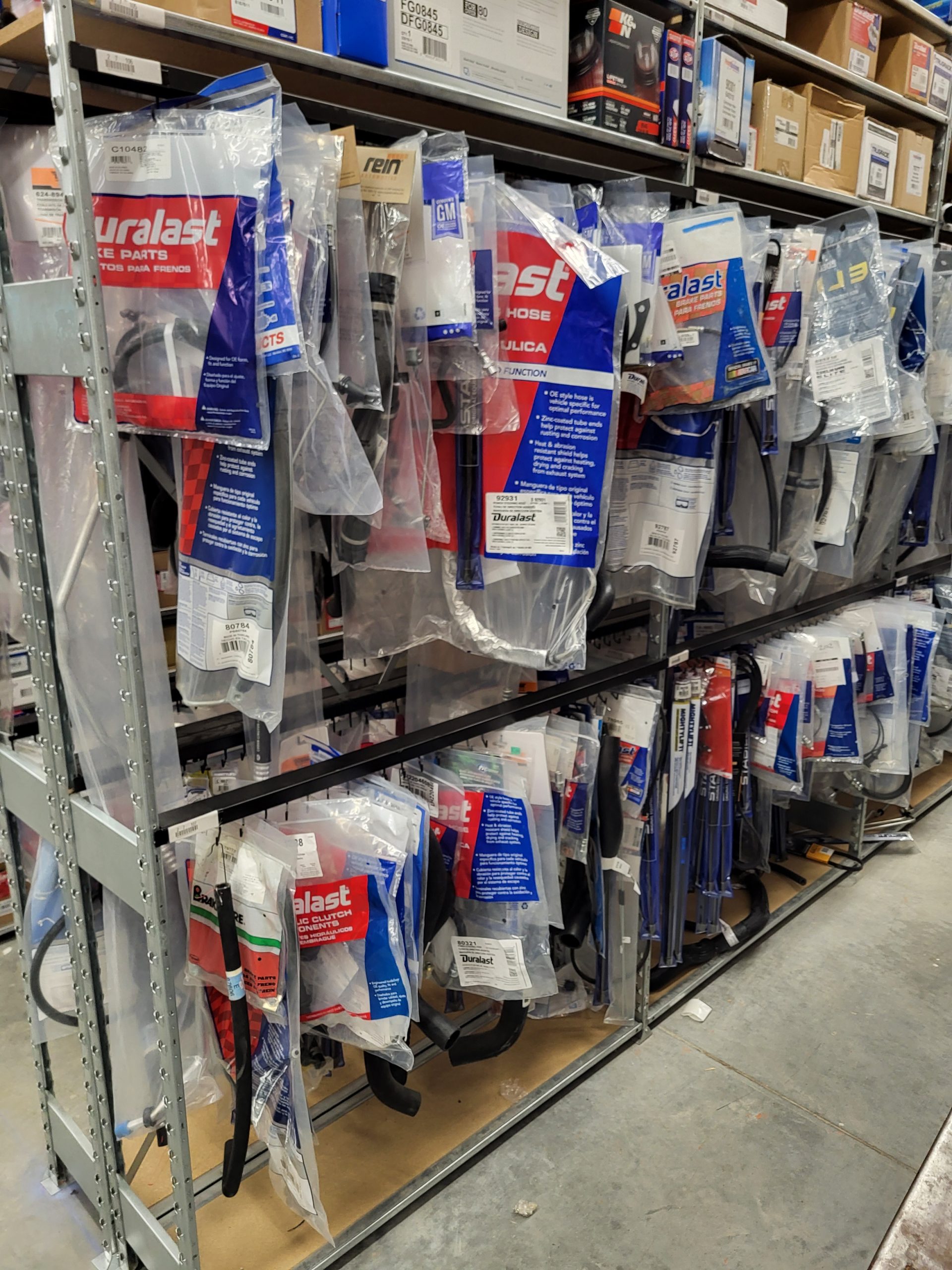
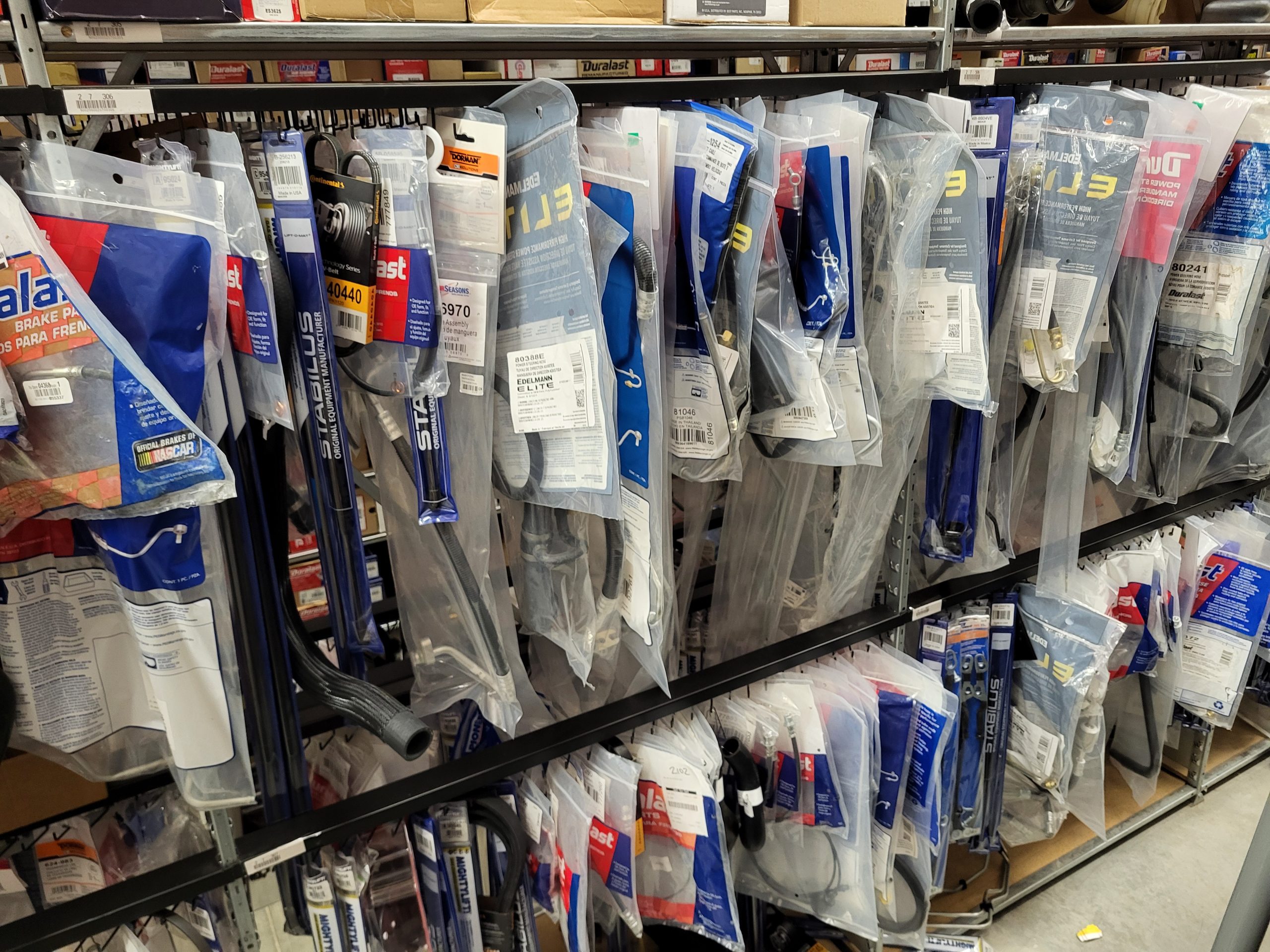
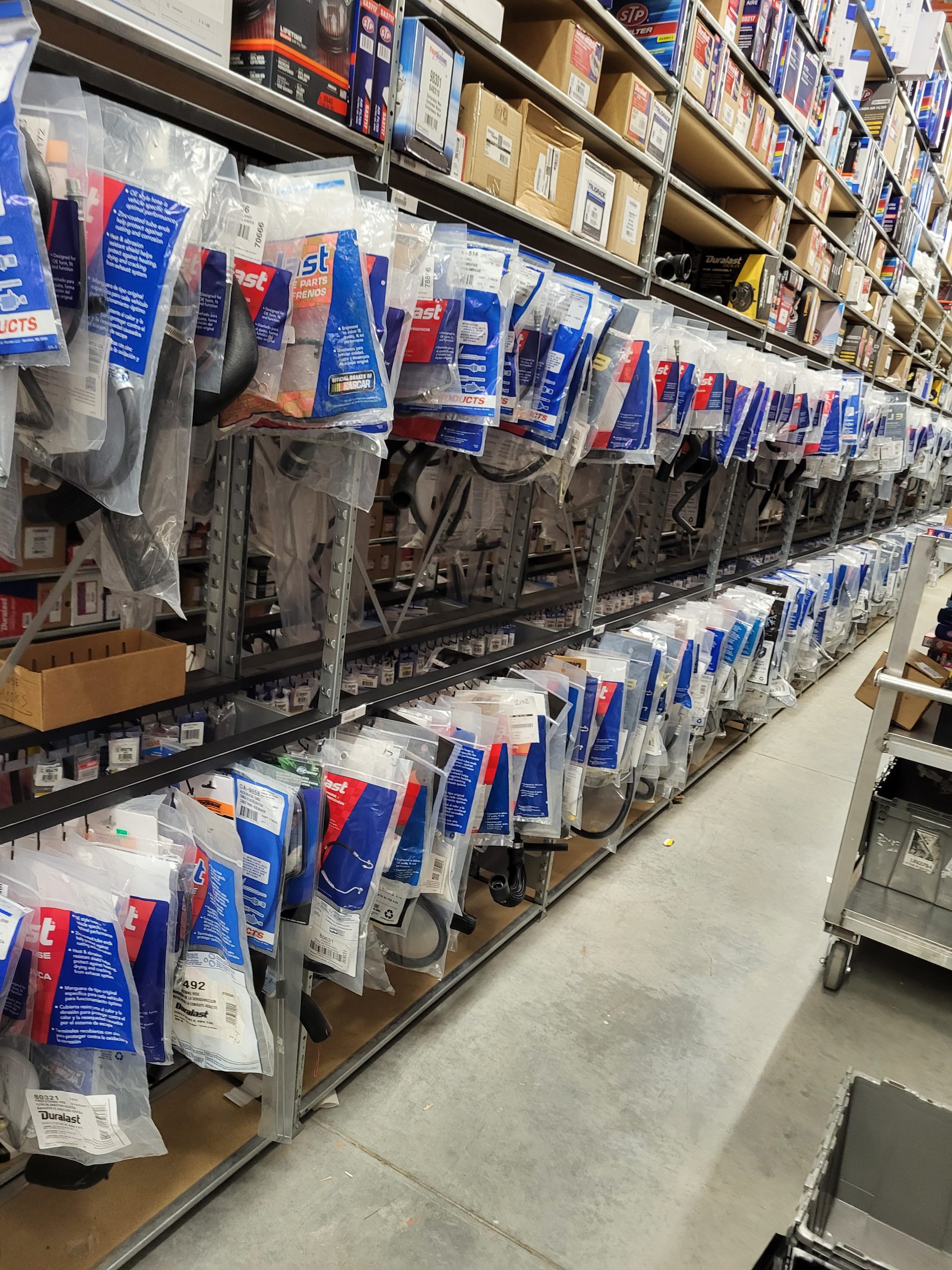
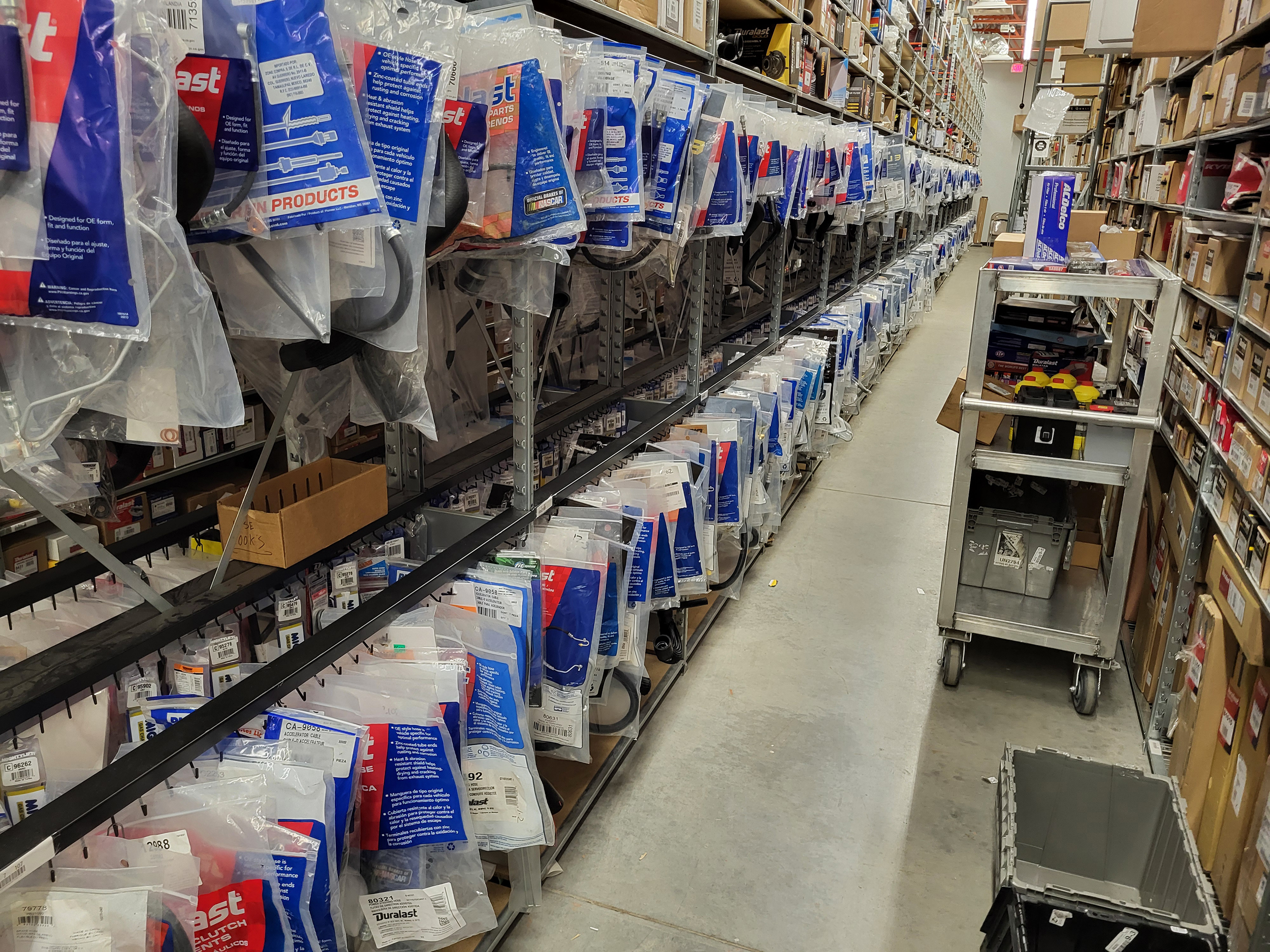
The following photos show one portion of the Hub inventory before and after I restored the area to company standards and established consistent inventory controls. The visible organization was only one part of the improvement; the larger goal was to make inventory accurate, traceable, accessible, and easier to maintain.
Inventory Organization Before Reset
These photos document the condition of part of the Hub inventory before the reset. Hoses, radiator hoses, hood lift supports, belts, cables, and unrelated products were intermixed, overcrowded, and frequently stored outside their assigned scanned locations. In this condition, inventory could not be reliably counted or retrieved, and the physical inventory did not consistently match the locations recorded in the system.
Parts Sales employees could spend significant time searching the backroom for inventory that the system showed as available. This increased customer wait times, consumed payroll through unnecessary searching and corrective work, and pulled employees away from other responsibilities. The goal was therefore not simply to make the area look organized, but to restore a controlled inventory process where product placement, system records, cycle counts, and replenishment worked together.
Inventory Organization After Reset
After the reset, inventory was organized by product type, size, planogram, and assigned storage location. Stocking quantities were controlled to prevent overcrowding, longer parts were positioned to prevent displacement, and inventory was maintained in its scanned locations. This made parts easier to retrieve, simplified cycle counts and physical verification, and helped keep the physical inventory synchronized with the inventory management system.
Why It Matters
This project demonstrates how I approach business operations. Inventory accuracy is not simply a stockroom metric; it affects labor, shrink, replenishment, product availability, customer service, and financial performance. Rather than continually correcting inventory errors after they occurred, I focused on controlling the processes that created those errors. With management support, I established clearer accountability, restored inventory standards, maintained recurring inventory controls, and organized the work around required deadlines. Annual inventory shrink subsequently improved from 0.91% to 0.14%. My approach is straightforward: follow the procedure, control the process, manage the time, and verify the result.